The future of food is written in women’s hands. Across the world, the work of growing, harvesting, preserving, and sharing food rests on their knowledge and strength. Yet as climate change reshapes landscapes and disrupts once‑predictable seasons, women carry a double weight: the direct impacts of a warming world and the unbroken responsibility of keeping families and communities nourished. From rising seas in Bangladesh to advancing desertification in the Sahel to shifting rainfall patterns in Nasarawa, women are not just coping with the crisis — they are quietly transforming the systems that feed us.
Women give their labor, knowledge, and leadership every day.
And what do communities gain?
Food security. Stability. Resilience. Hope.
This is the heart of the 2026 International Women’s Day theme, “Give to Gain”: the recognition that empowering women is not charity — it is strategy. It is how societies build resilience in a warming world.
The case studies below highlight this truth through lived experience and evidence.

Bangladesh — When Women Gain Skills, Communities Gain Stability
In the coastal districts of Bangladesh, women farmers like “Lila” often struggled not because they lacked skill, but because climate‑resilient rice seeds arrived too late for the narrow planting window. Rising floods, salinity, and unpredictable weather made timely seed access even more critical, yet the system frequently failed them. This began to change when the International Rice Research Institute (IRRI) introduced a coordinated seed‑delivery model that linked seed producers, distributors, and local agencies to ensure farmers received high‑quality varieties on time. For the first time, Lila accessed flood‑tolerant and salinity‑resistant rice before the rains, allowing her to plant at the right moment. Her harvest improved, and she began helping other women register early for seed distribution and understand the new planting schedules. Her story reflects how timely coordination, not just technology can transform resilience for women farmers facing climate stress.
Source: Adapted from IRRI, Building bridges for better harvests: Coordinating timely seed supply in Bangladesh (2024).
The Sahel — When Women Gain Voice, Communities Gain Resilience
In the parched Sahelian plains of Niger, Mariam once depended on a shallow well that dried earlier each year as droughts intensified. Her vegetable garden, once a reliable source of food and income, began to wither under the relentless heat. Everything changed when her women’s cooperative was introduced to drip irrigation, a climate‑smart system that delivers small, steady amounts of water directly to plant roots — a lifeline in a region where every drop counts. With training and support, the women learned to manage the system themselves, reducing the hours spent hauling water and reviving crops that had nearly disappeared. Within a single season, Mariam’s yields improved, her income stabilized, and she became one of the women teaching others how to use the technology. Her story reflects a growing truth across the Sahel: when women have access to the right tools, they become the region’s most powerful climate warriors.
Source: AfricanPact – Sahel’s Climate Warriors: Drip Irrigation Empowering Women Farmers in the Face of Climate Change https://africanpact.org/2023/07/18/sahels-climate-warriors-drip-irrigation-empowering-women-farmers-in-the-face-of-climate-change/
Oyo State, Nigeria — When Tomatoes Melt in the Sun, Women Find New Solutions
In Oyo State, Tiwa watched her tomatoes ripen too quickly under intense heat, sometimes bursting on the vine before she could harvest them, and the losses nearly pushed her out of business. Everything changed when she joined a women-led cooperative that began using solar-powered cold storage, a model now widely adopted across Nigeria through innovations like ColdHubs, which provide affordable, pay‑as‑you‑go cooling for smallholder farmers. With access to shared cold rooms, Tiwa could finally store her tomatoes safely for days instead of hours, cutting her post-harvest losses dramatically. The extra time allowed her to negotiate better prices and sell directly to restaurants instead of rushing to the nearest market. Her income grew, and so did her confidence in navigating a changing climate. Tiwa often says, “Climate change humbled me, but sisterhood lifted me.”
Source: InfraHub Africa – Cold Hubs: Providing solar-powered cooling-as-a-service to reduce food waste (https://www.infrahub.africa/case-studies/cold-hubs)
Nasarawa, Nigeria — When Women Gain Support, Communities Gain Food Security
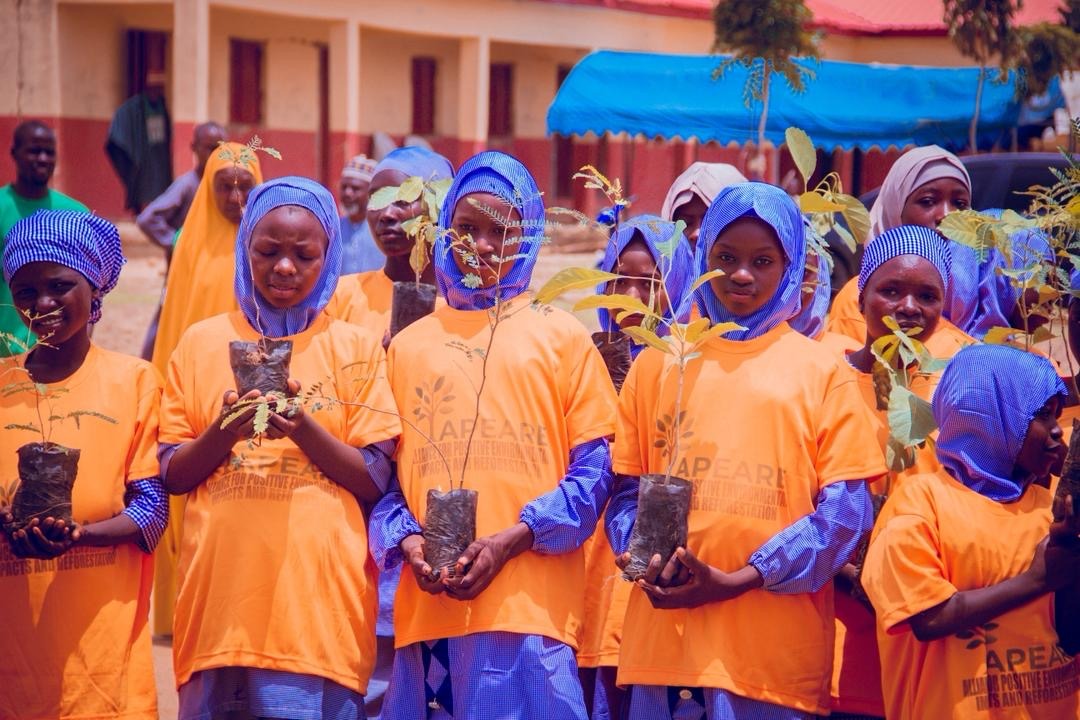
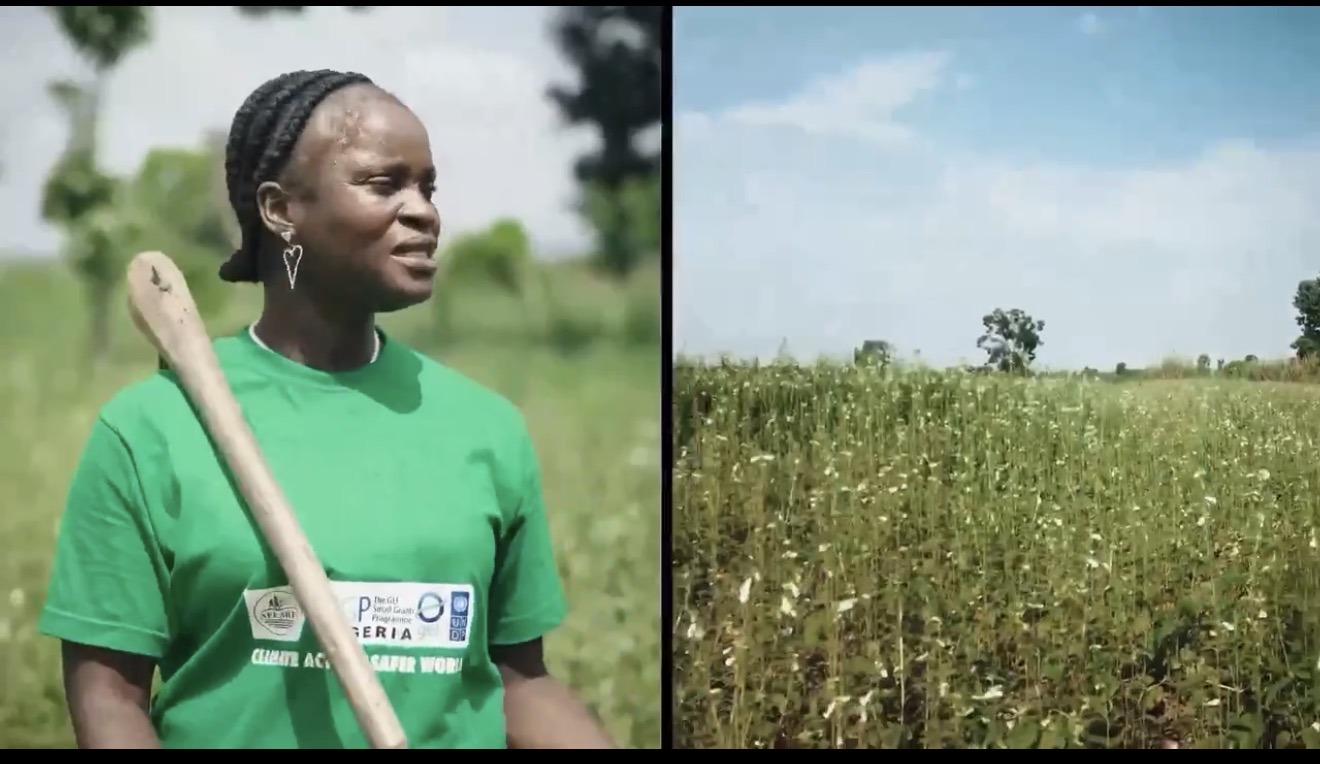
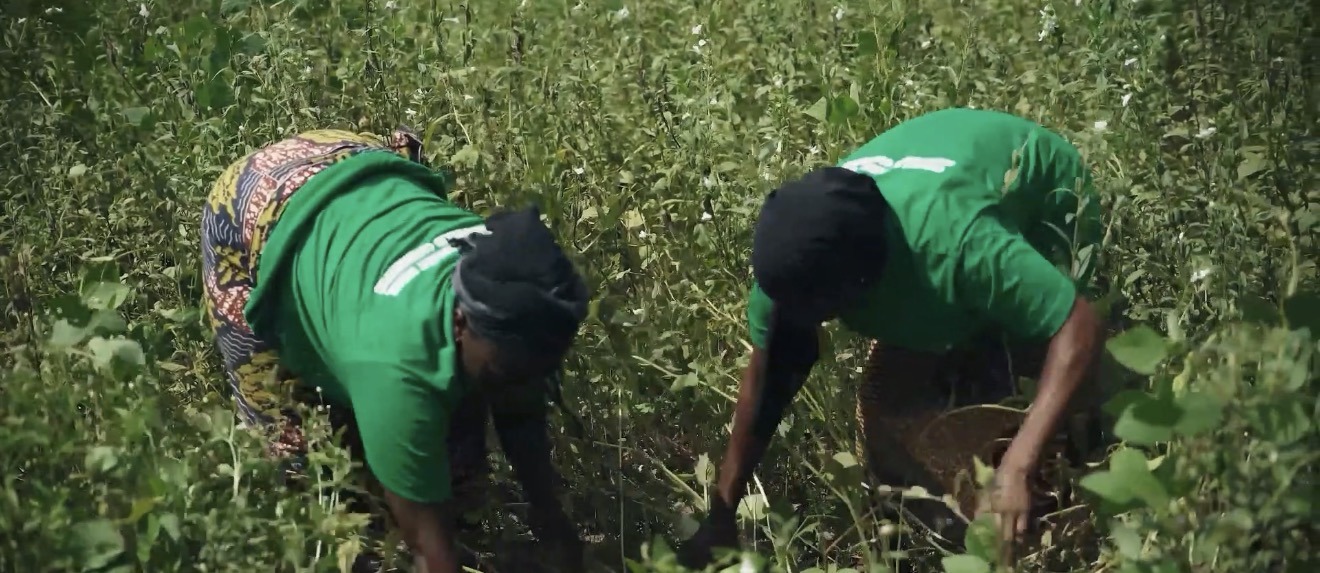
In the farming communities of Ajimaka and Rukubi in Doma LGA, Tima had grown used to the uncertainty of shifting seasons — rains that arrived late, storms that washed away seedlings, and dry spells that left her fields bare. But when APEARE introduced nature‑based solutions through the UNDP GEF‑SGP Nigeria –supported project, everything began to change. Women like Amina learned how to restore their land using agroforestry, organic soil enrichment, and climate‑smart planting techniques, transforming depleted fields into productive farms. This season, her sesame plot produced its strongest harvest yet, giving her enough income to pay her children’s school fees and support her household with dignity. Standing beside her thriving field, she joined other women in saying, “Our eyes have seen good.” Her story reflects the quiet but powerful transformation happening across Doma, where women are proving that when nature is restored, hope returns with it.
Source: APEARE – Nature‑Based Solutions at Work: Farmers in Doma Celebrate a New Season of Hope https://www.apeare.org/climate-change/nature%E2%80%91based-solutions-at-work-farmers-in-doma-celebrate-a-new-season-of-hope/
Why Women Matter in the Climate–Food Security Equation
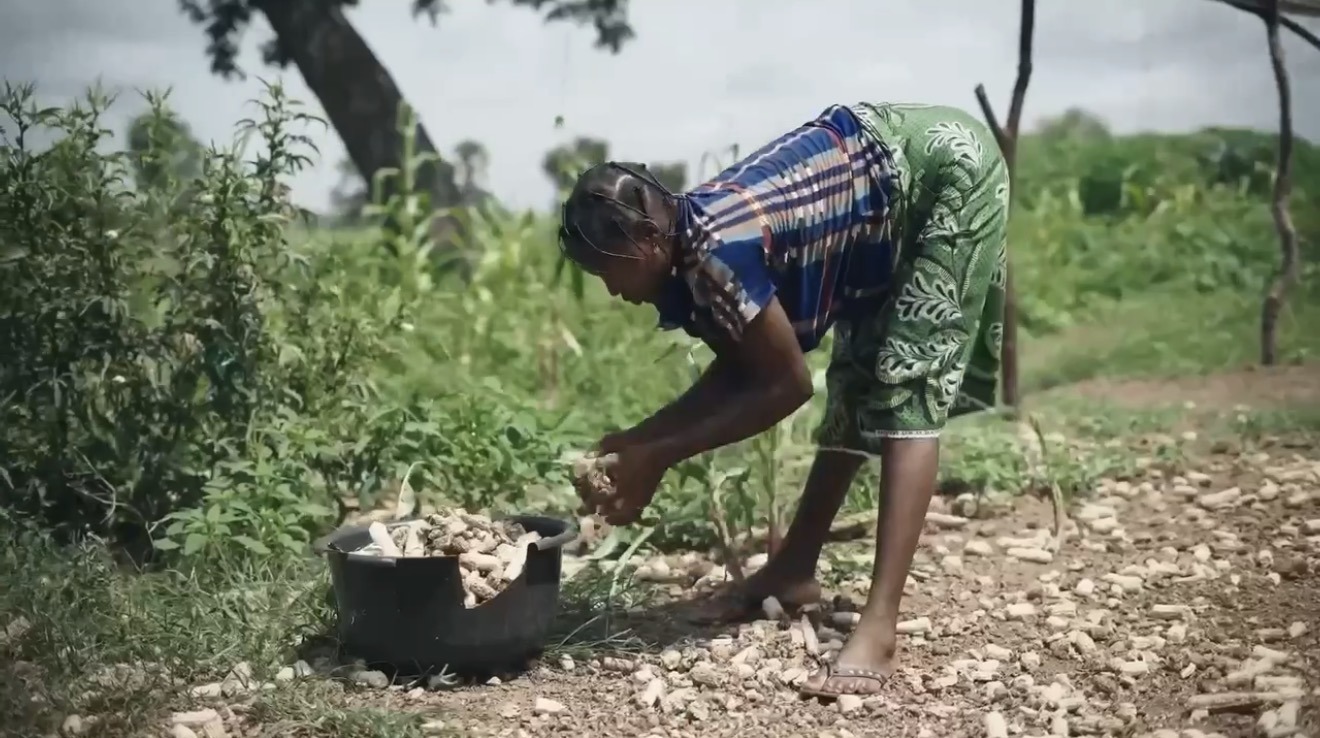
1. Women produce a significant share of the world’s food
- Globally: nearly 50% of agricultural labor
- Africa: 60–80% of food production
Source: FAO Gender and Agriculture Statistics
2. Women manage seeds, soil, and household nutrition
They preserve indigenous crops, maintain home gardens, and ensure dietary diversity.
3. Women are disproportionately affected by climate change
Limited access to land, credit, technology, and decision-making power makes adaptation harder.
Source: IPCC Gender & Climate Vulnerability Findings
4. When women lead, communities become more resilient
Evidence shows that empowering women improves climate outcomes, food security, and community well‑being.
How APEARE Is Empowering Women to Build Climate Resilience
Across Nasarawa and other project communities, APEARE is strengthening women’s capacity to withstand climate vulnerabilities—floods, droughts, and heatwaves—through practical, community-driven interventions, including:
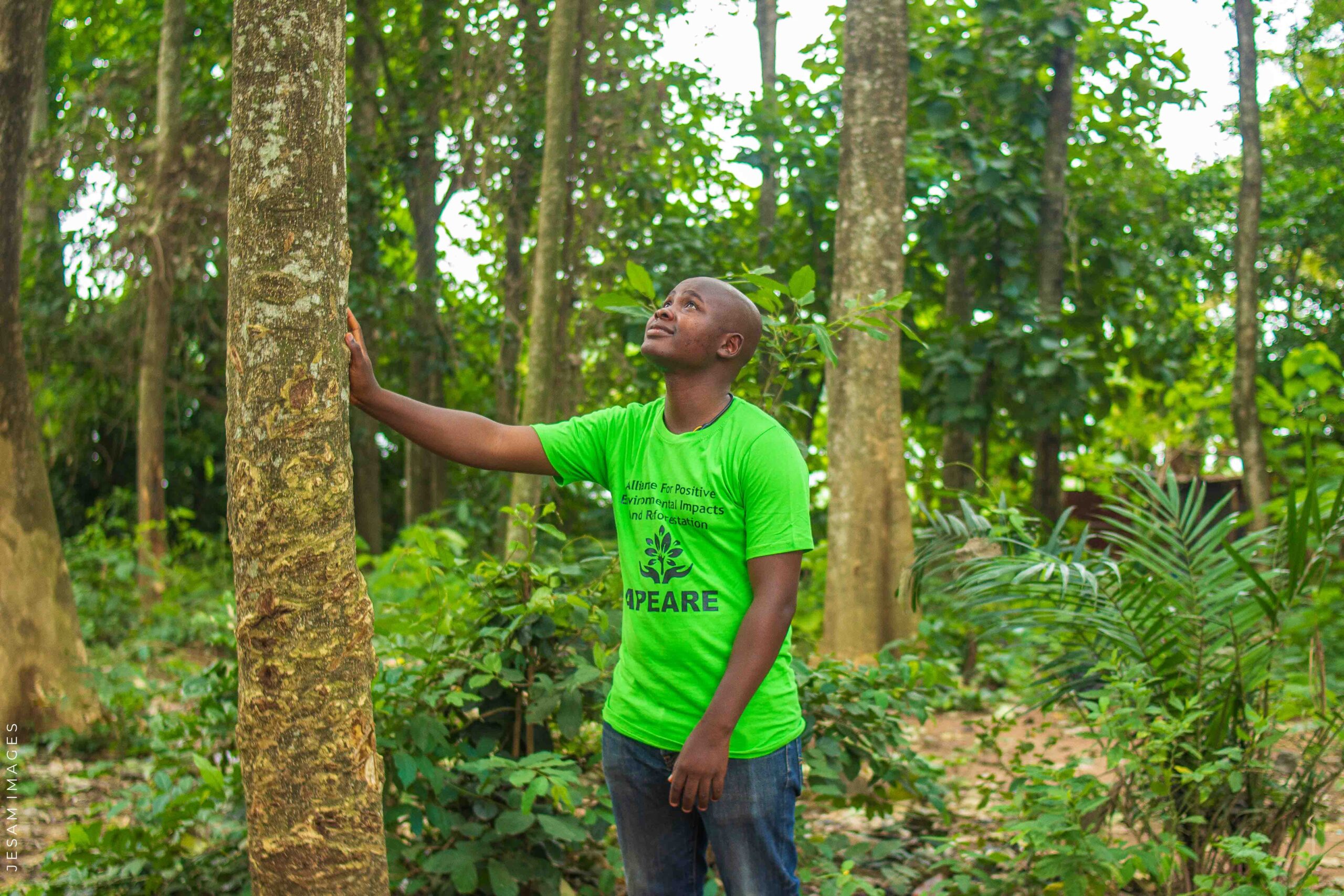
- Agroforestry systems that restore degraded land and improve soil fertility
- Climate-smart agriculture training for women farmers
- Water harvesting and soil conservation techniques
- Women-led cooperatives that improve access to markets and post-harvest technologies
- Renewable energy solutions that reduce losses and improve food storage
- Participatory learning platforms where women share knowledge and innovations
Through these programs, women are not just adapting, they are leading. They are rebuilding ecosystems, strengthening food systems, and shaping a future where climate resilience is rooted in dignity, knowledge, and community.
Conclusion: Women Are the Heart of Climate Resilience
Amina J. Mohammed, the 5th Deputy Secretary‑General of the United Nations, noted in an interview with New African Woman magazine that “women are an integral part of any investment — in health, in education, in agriculture, and beyond.” Across Bangladesh, the Sahel, and Nasarawa, women are proving this truth every day as they lead the work of climate adaptation with courage, ingenuity, and unwavering commitment to their communities. Their leadership is not optional; it is essential to the future of food security.
On this International Women’s Day, we honor their resilience and reaffirm our commitment to standing with them.
Because when women rise, communities rise.
And when communities rise, resilience becomes possible.