When Children Plant Trees, Generations Heal
There is a story told in many families. A grandparent plants a tree. The children grow up in its shade, eat its fruit, and take it for granted. Then one day the tree is gone, the shade disappears, and life becomes harder in ways nobody thought to anticipate. Years later, one of those children, now grown, remembers. And with his own children beside him, he plants again.
That story is not just a metaphor. It is how generational memory works, and it is precisely why children are the most powerful leverage point in our fight for a sustainable future.
The Crisis That Cannot Wait
The climate crisis is real, and its impacts are accelerating. Decades of fossil fuel dependence have locked in warming trajectories that no single policy reversal can quickly undo. Global mitigation efforts remain entangled in political cycles, competing national interests, and the uncomfortable reality that the world’s largest emitters are also its most economically powerful. Meanwhile, the communities contributing least to the problem absorb its worst effects.
Akkoyel in Kumo East LGA, Gombe State, is one of those communities. With limited tree cover and a semi-arid landscape already stressed by irregular rainfall and rising temperatures, Akkoyel is on the frontline of a crisis it did not create. According to the World Bank Climate Knowledge Portal, Nigeria’s average temperature is projected to increase by 1.5°C to 2°C above pre-industrial levels by 2030 under current emissions trajectories.
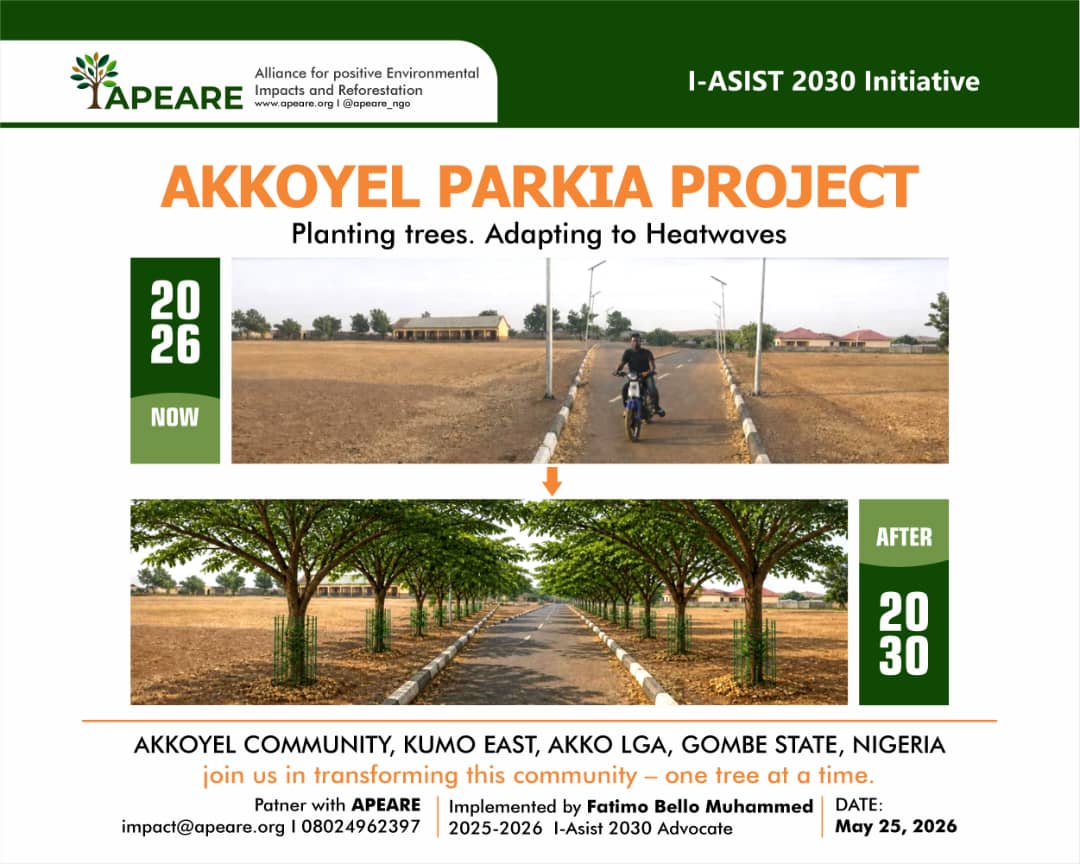 Without intervention, Gombe State’s semi-arid landscape is among the most heat-vulnerable and faces a projected temperature increase of up to 2°C above pre-industrial levels by 2030. That is not a statistic for a policy brief. That is a forecast for how hot a child’s walk to school will be in four years. Therefore, adaptation is not optional; it is urgent.
100 Trees. One Community. A Measurable Response.
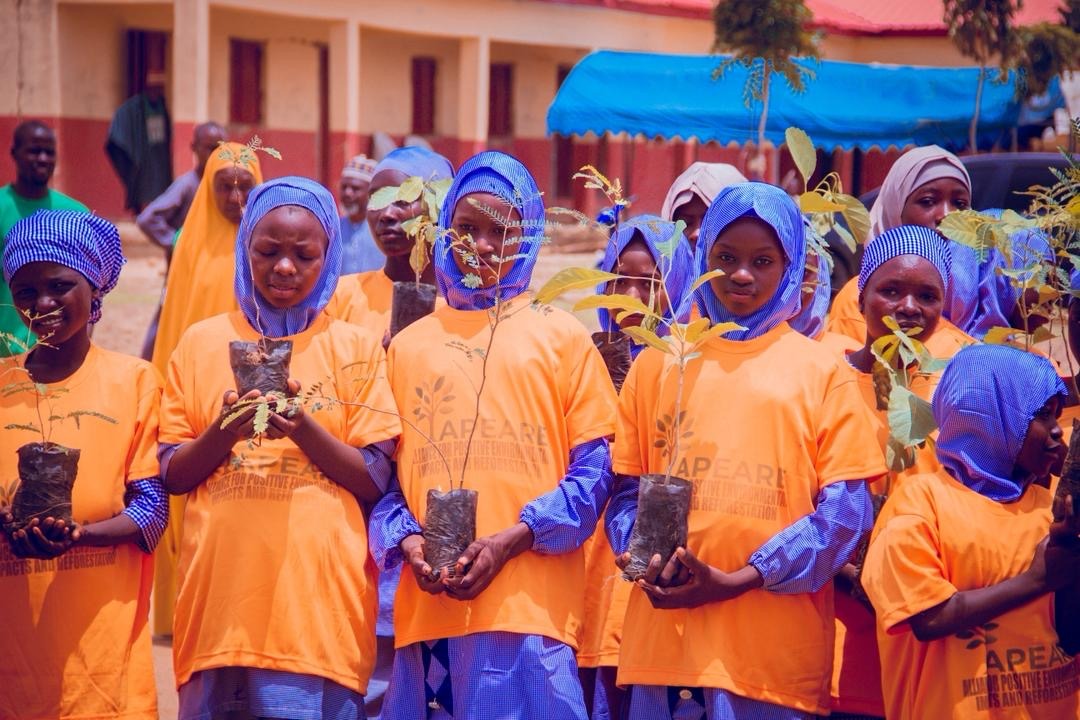
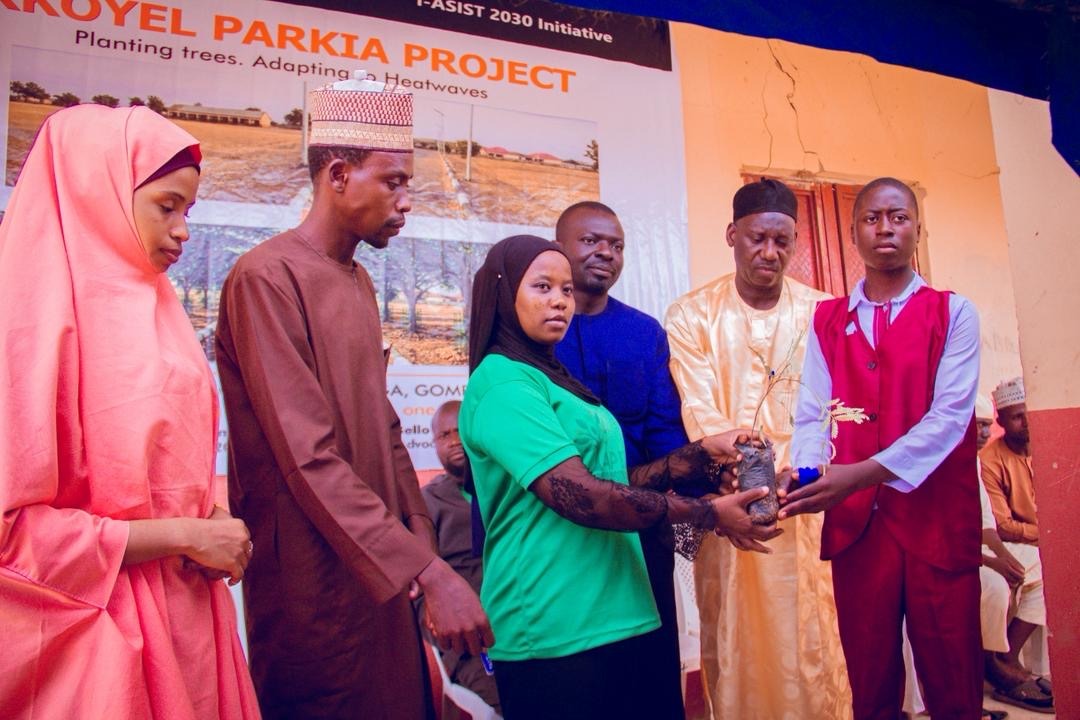
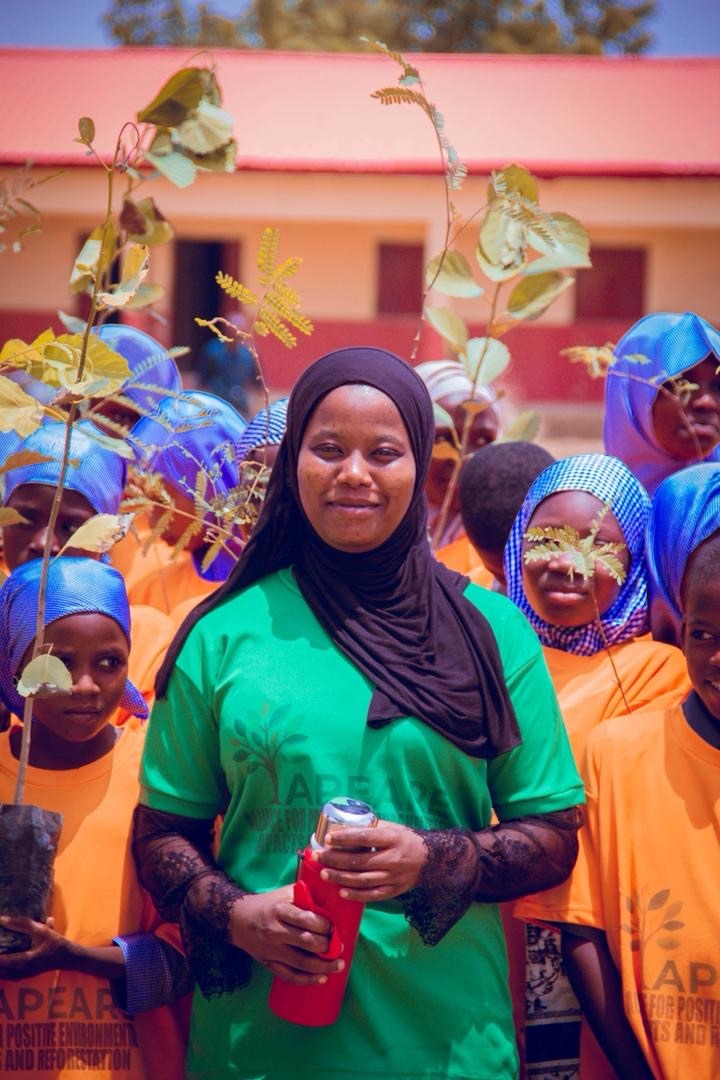
On May 25, 2026, APEARE’s I-ASIST 2030 initiative brought 60 children and over 40 community members together to plant 100 Parkia biglobosa seedlings along Akkoyel’s streets. The choice of species was deliberate. Parkia biglobosa, known locally as locust bean, is a native West African tree with a wide spreading crown, dense shade canopy, nitrogen-fixing roots, and edible pods that serve as a critical protein source. It is not decorative. It is ecological infrastructure.
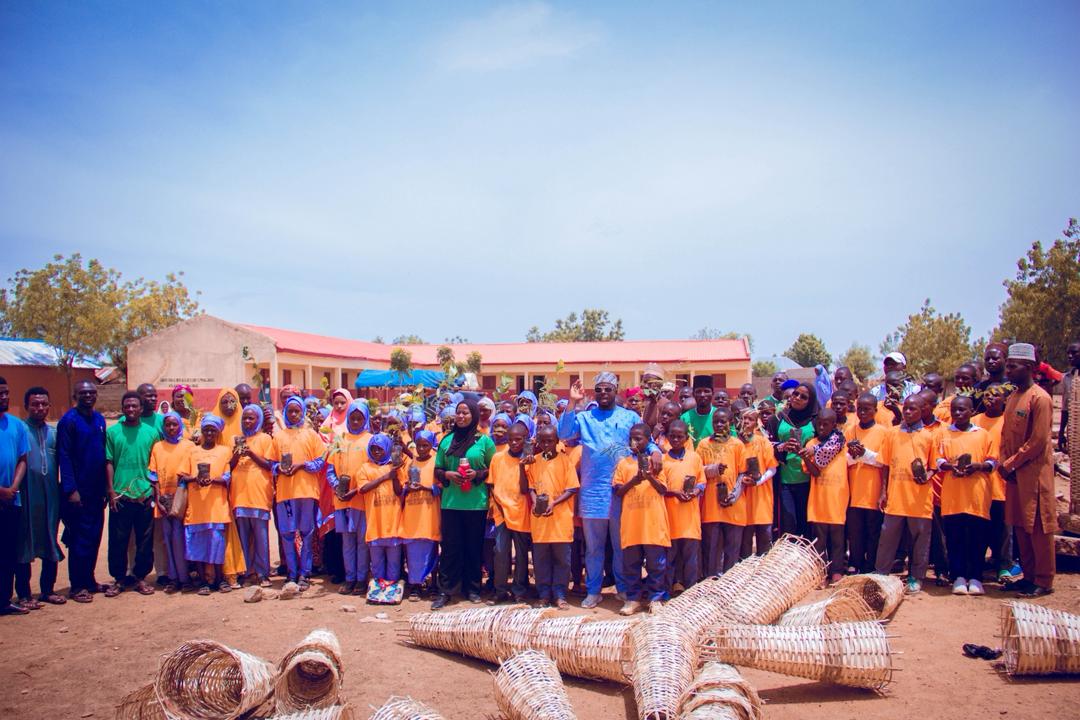
Research published in the Proceedings of the National Academy of Sciences shows that mature tree canopy reduces local ambient temperatures by 2°C to 8°C. According to C40 Cities, street trees reduce surface temperatures on paved areas by up to 40%. Each of Akkoyel’s 100 Parkia trees will reach meaningful canopy coverage within four to six years. By 2030, the streets where children play and walk to school will be measurably cooler. The science is clear: trees are not symbolic. They are infrastructure.
Catching Them Young: The Logic of Investing in Children
But APEARE’s I-ASIST 2030 initiative is not only about the trees. It is about who plants them and what that act means for the future.
Children are the most powerful leverage point in the climate adaptation equation. Not because they are the most technically capable, but because they are the most impressionable. The values, habits, and sense of responsibility formed in childhood become the instincts of adulthood.
A child who plants a tree, names it, nurtures it, and watches it grow becomes an adult who understands why forests matter, defends them when they are threatened, and teaches the next generation to do the same.
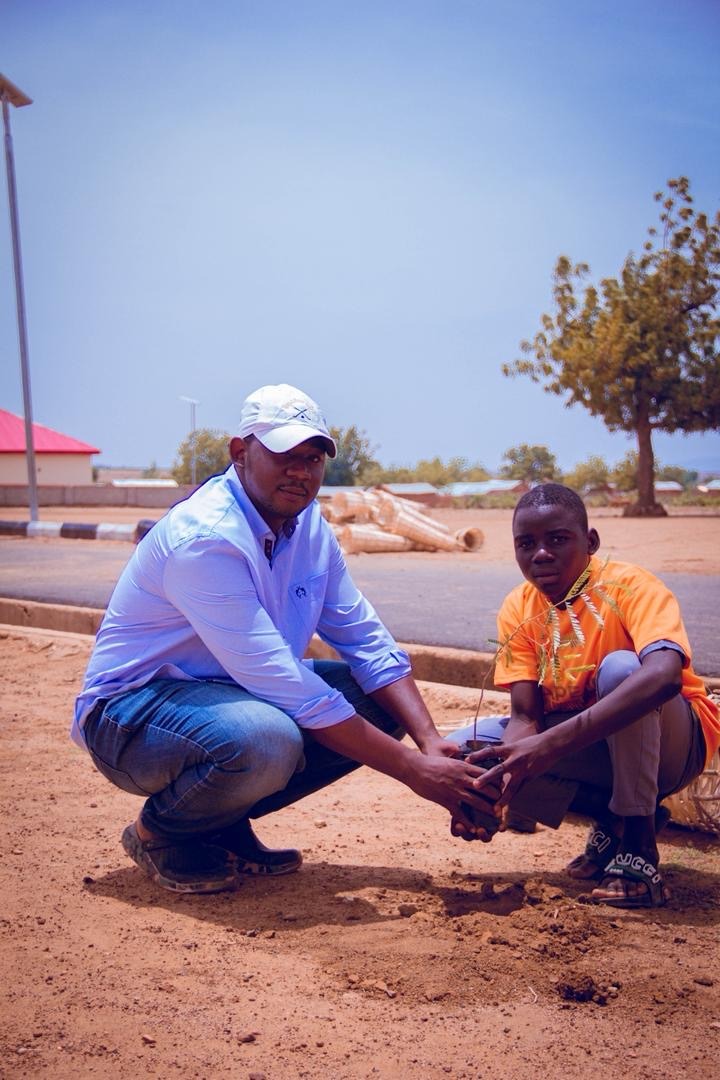
But more than the trees, what was planted that day was a mindset. These children are Generation Restoration. One of them may grow up to design Nigeria’s reforestation policy. Another may lead the next wave of nature-based solutions across West Africa. What we know is that the habits formed in childhood outlast every agreement signed in a conference room.
One of those children may grow up to design Nigeria’s national reforestation policy. Another may lead a pan-African nature-based solutions network. A third may simply ensure that the trees on their street survive, and teach their own children why they were planted. Each outcome matters. Each one compounds.
Akkoyel Is a Model
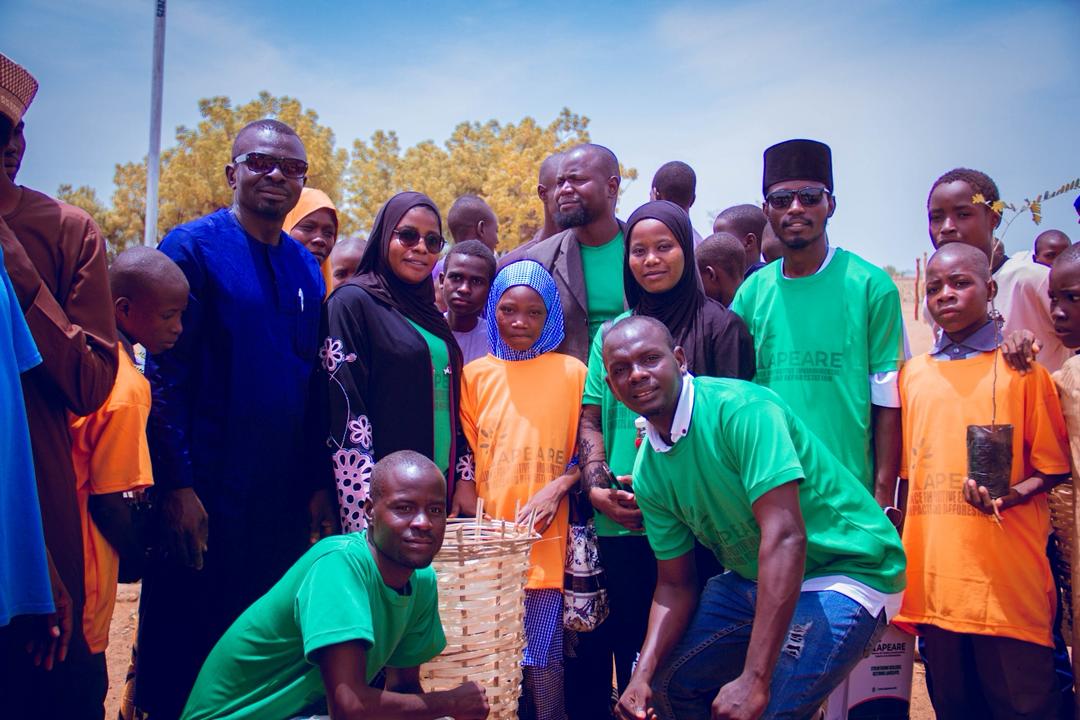
The Akkoyel Parkia Project is replicable. The approach, a youth-led, community-anchored planting initiative with structured stewardship, monitoring, and environmental education, can be adapted to communities across Nigeria’s heat-stressed north and beyond. APEARE will document the results, track canopy coverage and temperature data over the coming years, and make the model freely available to organizations working in similar contexts across West Africa. The shade will return to Akkoyel. The children will remember who planted it.
Implemented by Fatima Bello Muhammed, 2025–2026 I-ASIST 2030 Advocate | APEARE
For photos, videos, and full coverage of this event, visit the APEARE Media Centre.