
Event: Ejirin Eco-Action
Organizer: Olayemi O. J.
Partner: Alliance for Positive Environmental Impacts & Reforestation (APEARE)
Location: Ejirin, Ijebu‑Ode, Ogun State
Date: December 12–13, 2025
1. Background
The Ejirin Eco-Action initiative, led by Olayemi Okufuye, a volunteer within the ‘Implementing Actions for Six Impactful SDG Transition’ (I-ASIST 2030) program, tackles critical environmental challenges to support the Sustainable Development Goals. Run by the Alliance for Positive Environmental Impacts & Reforestation (APEARE), I-ASIST 2030 accelerates local progress by empowering volunteers and community leaders to implement impactful projects across six key transition areas as a proactive approach to hyperlocalising the achievement of the SDGs before 2030, when the current 17 SDGs expire. These six transition areas are: Food Systems, Energy Access and Affordability, Digital Connectivity, Education and Skills, Jobs and Social Protection, and Climate, Biodiversity and Pollution. Specifically, the Ejirin Eco-Action initiative aligns closely with the goals of Climate Action, Sustainable Cities and Communities, and Responsible Consumption and Production, thereby foregrounding its relevance and unique contribution within the I-ASIST framework. This report documents the pre-event preparation, implementation activities, and outcomes achieved.

2. Justification
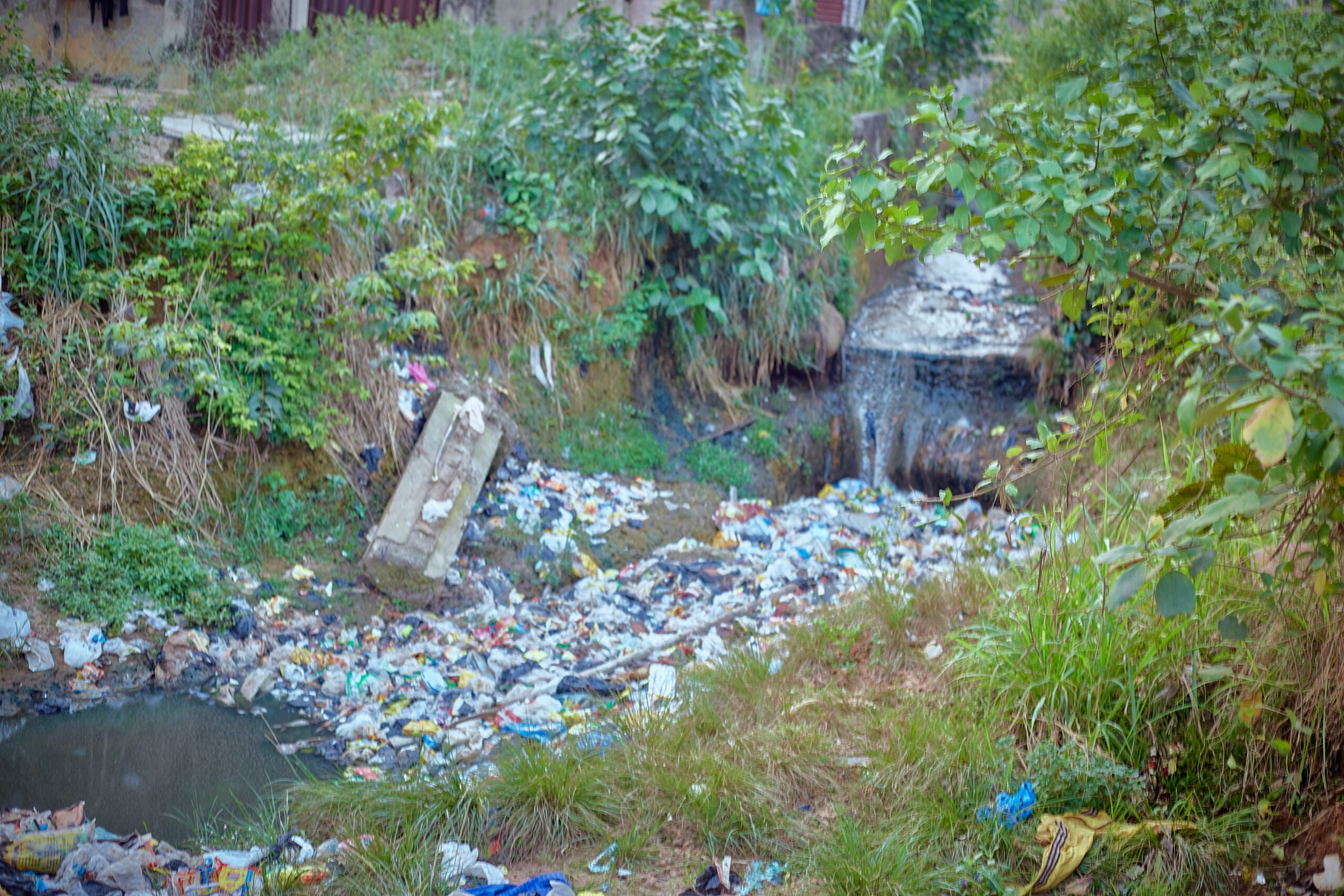
In the heart of Ejirin, an all-too-common scene unfolds daily: heaps of plastic waste and abandoned household items clog a large canal, turning it into an informal dumping ground. This canal, once a vital channel for rainwater drainage, now poses a significant health hazard and echoes the pressing need for responsible waste management. The Ejirin Eco-Action was conceived as a community-driven environmental intervention to address this challenge, strengthen community collaboration, and promote a cleaner, healthier living environment.
3. Pre-Event Preparation and Community Engagement
3.1 Initial Consultations
Preparatory activities commenced with strategic engagements with the community leadership and selected stakeholders. Initial meetings with the community head and a few landlords revealed broad support for the initiative, though specific concerns were raised.

3.2 Identified Concerns
Key concerns expressed during consultations included:
- During our conversations, a prevalent concern emerged: “We are worried,” one resident remarked, “that many of us landlords and homeowners might find it challenging to support this financially.” Their honest expression captured the financial hesitations that could hinder the program’s adoption. This humanized perspective on financial commitment highlights the need for strategic solutions to bolster participation.
- The existence of a large canal used as an informal dumping site has reduced moral accountability and the willingness to adopt structured waste management practices.
3.3 Community Mobilization Efforts
Although a planned general landlords’ meeting could not be convened, community representatives played a critical role by:
- Making verbal announcements within the community,
- Circulating the program details on community communication platforms,
- Encouraging participation through peer-to-peer engagement.
Access to the community youth platform proved pivotal, significantly increasing awareness, volunteer turnout, and collective interest. This engagement also inspired the idea of extending the initiative to surrounding communities to ensure sustainability and broader environmental impact.
3.4 Overcoming Initial Challenges
A primary concern before the event was potential low participation and financial commitment. However, through sustained engagement and the active support of a respected community leader, who acted as a trusted advocate and amplifier of the initiative, community confidence was strengthened. To help break down the community leader’s successful strategy into actionable steps that others could replicate, several key tactics were employed:
First, the leader conducted individual discussions with hesitant residents to address their concerns personally. Second, they publicly endorsed the program at local gatherings, lending credibility and encouraging broader participation. Lastly, they consistently communicated the program’s vision and benefits, fostering a sense of unity and collective responsibility. This strategic approach was instrumental in turning initial hesitation into collective action, resulting in a successful, widely supported program.
4. Event Implementation
4.1 Day One – Awareness and Sensitization
Day One commenced with an awareness walk that started approximately 1 hour later than scheduled. This delay provided valuable insight into the importance of punctual coordination and incentives for community engagement. Future planning should consider incorporating contingency time in scheduling and possible incentives to encourage timely participation. Despite the initial setback, the team effectively sensitized residents on:
- The importance of proper waste disposal,
- Health and environmental risks associated with indiscriminate dumping,
- The communal benefits of engaging licensed waste collectors.
The awareness walk successfully reached households, traders, and road users, setting a positive tone for the main event.

4.2 Day Two – Workshop and Community Clean-Up
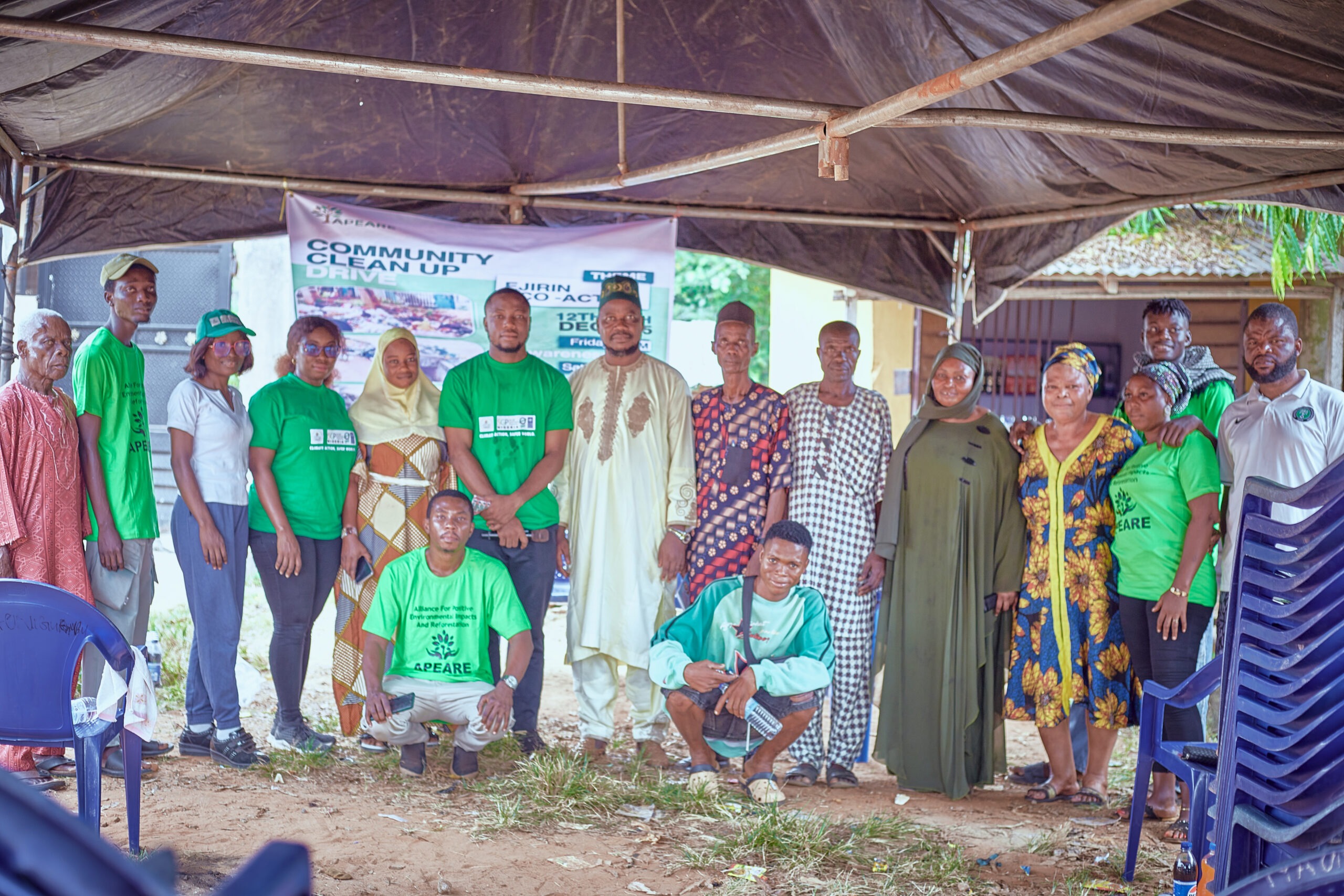
Day Two also experienced a delayed start; however, all key stakeholders were present, including:
- Representatives from the community heads and elders,
- Representatives from APEARE executives,
- Representatives from the Private Waste Collectors (PWC),
- Representatives from the Environmental Waste Police and Government officials.
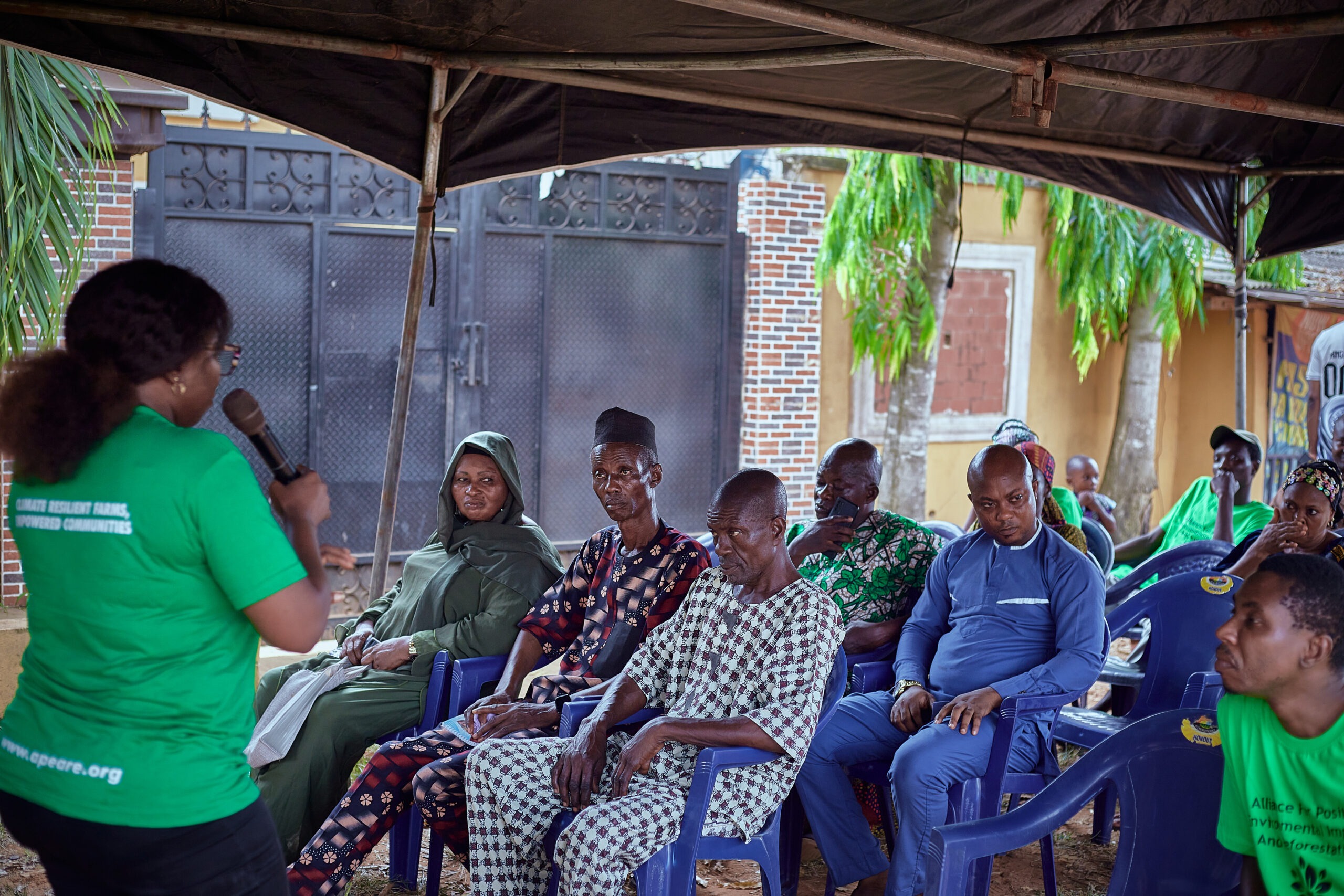
The workshop provided clarity on existing environmental sanitation laws, community responsibilities, and compliance expectations. Proper waste segregation and disposal methods were also discussed. By understanding these laws, community members have developed a commitment to implement better waste management practices actively, appreciating how legal knowledge directly impacts and enhances their daily actions.
Importantly, the engagement went beyond sensitization and facilitated dialogue and consensus-building between the community and the waste management stakeholders.
5. Key Outcomes and Resolutions
Before the launch of Ejirin Eco-Action, the community faced a dire environmental situation with rampant waste accumulation and no formal agreements for waste evacuation services. After implementation, significant outcomes extended well beyond those typically associated with standard clean-up initiatives. A formal agreement was reached with Private Waste Collectors to commence monthly waste evacuation services at ₦3,000 per household, effective January 2026.
Before this, households had no structured waste disposal system. Government officials clarified existing environmental sanitation laws, reinforcing accountability and compliance, addressing a previous lack of understanding concerning legal waste management expectations. The initiative also highlighted entrepreneurial opportunities for residents with trucks, encouraging them to register as licensed waste collectors, promoting job creation and environmental sustainability. Initially, such opportunities were not recognized within the community.
The government also introduced plans to purchase recyclable waste such as plastic bottles, offering households an alternative way to offset waste collection costs, which previously was an unmanaged expense for many.
Community members, collectively cleaning streets, gutters, and public spaces, ensured significant household waste was properly evacuated, a remarkable change from the uncollected waste that once marred the area. The initiative fostered unity, trust, and renewed civic responsibility, which had been lacking, and following the event, community members and leaders openly commended it, expressing appreciation for the effort, organization, and vision for a cleaner, healthier Ejirin.

6. Objectives Achieved
- Formal partnership established with Private Waste Collectors for monthly waste disposal starting January 2026, with 95 households already committed to participating in the program.
- Strengthened collaboration between the community, government officials, and environmental service providers.
- Increased community awareness of waste management laws and practices.
- Collective community clean-up successfully executed.
- Community leaders expressed willingness to replicate the initiative in surrounding communities.
- Positive community feedback and increased trust in grassroots environmental interventions.

7. Conclusion
The Ejirin Eco-Action proved to be a transformative initiative that transcended a simple environmental clean-up. It fostered unity, strengthened institutional collaboration, and laid a sustainable foundation for improved waste management in Ejirin. Despite initial concerns about participation and financial commitment, strong leadership support, community engagement, and collective resolve ensured the program’s success. Critically reflecting on this experience, one key lesson learned is that early stakeholder engagement and the endorsement of respected community leaders were vital for securing participation and overcoming financial hesitation. Additionally, the process revealed that sustained communication and opportunities for dialogue between residents and waste management stakeholders can build trust and facilitate consensus. However, while the initiative presents a promising model for community-led environmental action, some potential limitations could affect its replication elsewhere. For example, variations in local leadership structures, differing levels of community trust, resource constraints, or less effective communication channels might challenge efforts to reproduce similar outcomes in other contexts. These insights highlight the importance of adaptive strategies in community-based interventions. To encourage wider policy adoption, local governments could consider scaling similar initiatives through structured support and funding, providing a framework that other communities might adapt and adopt. The initiative thus stands as a viable model for community-led environmental action and sustainable waste management across Ijebu-Ode and beyond, while carefully considering context-specific barriers to replication.