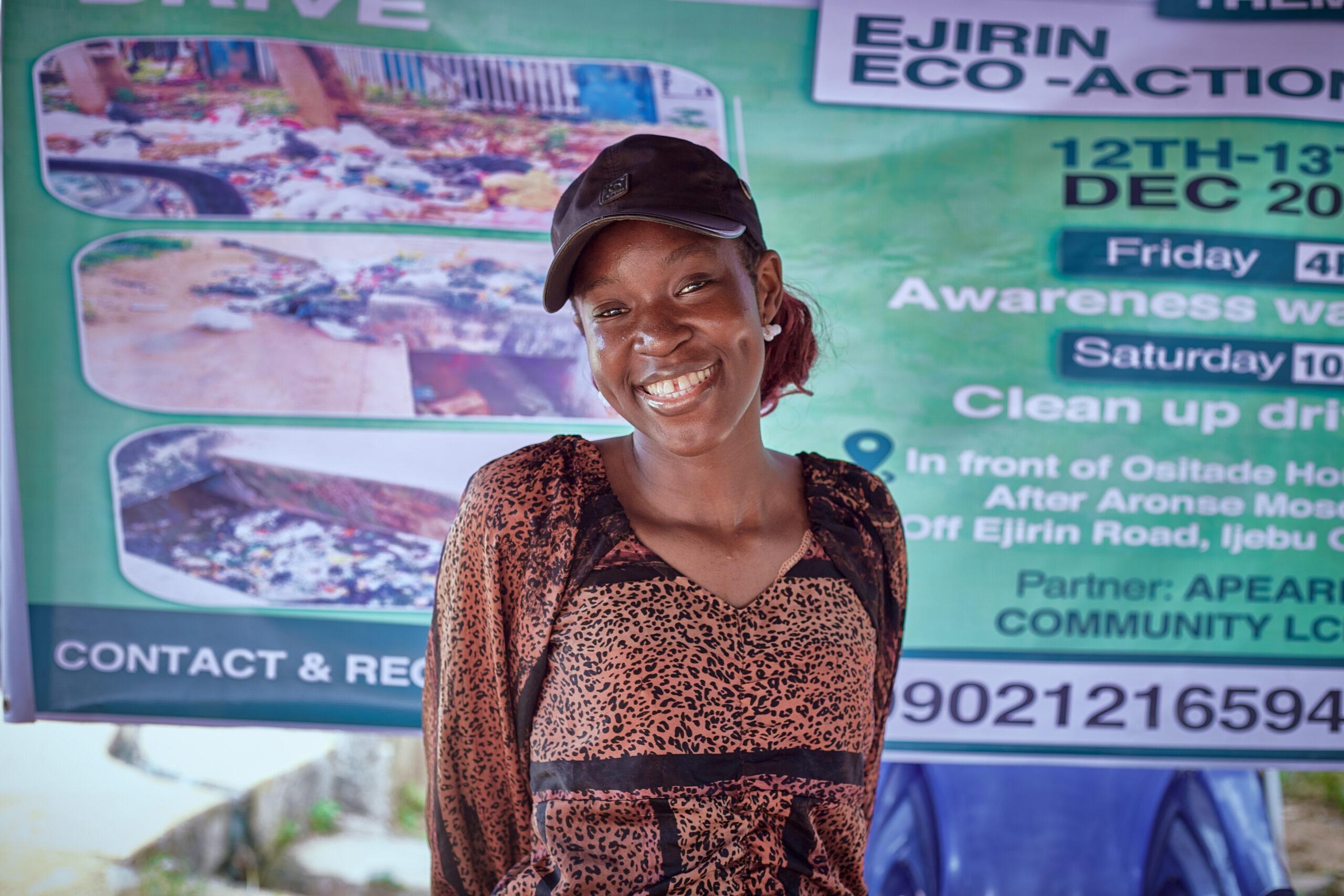
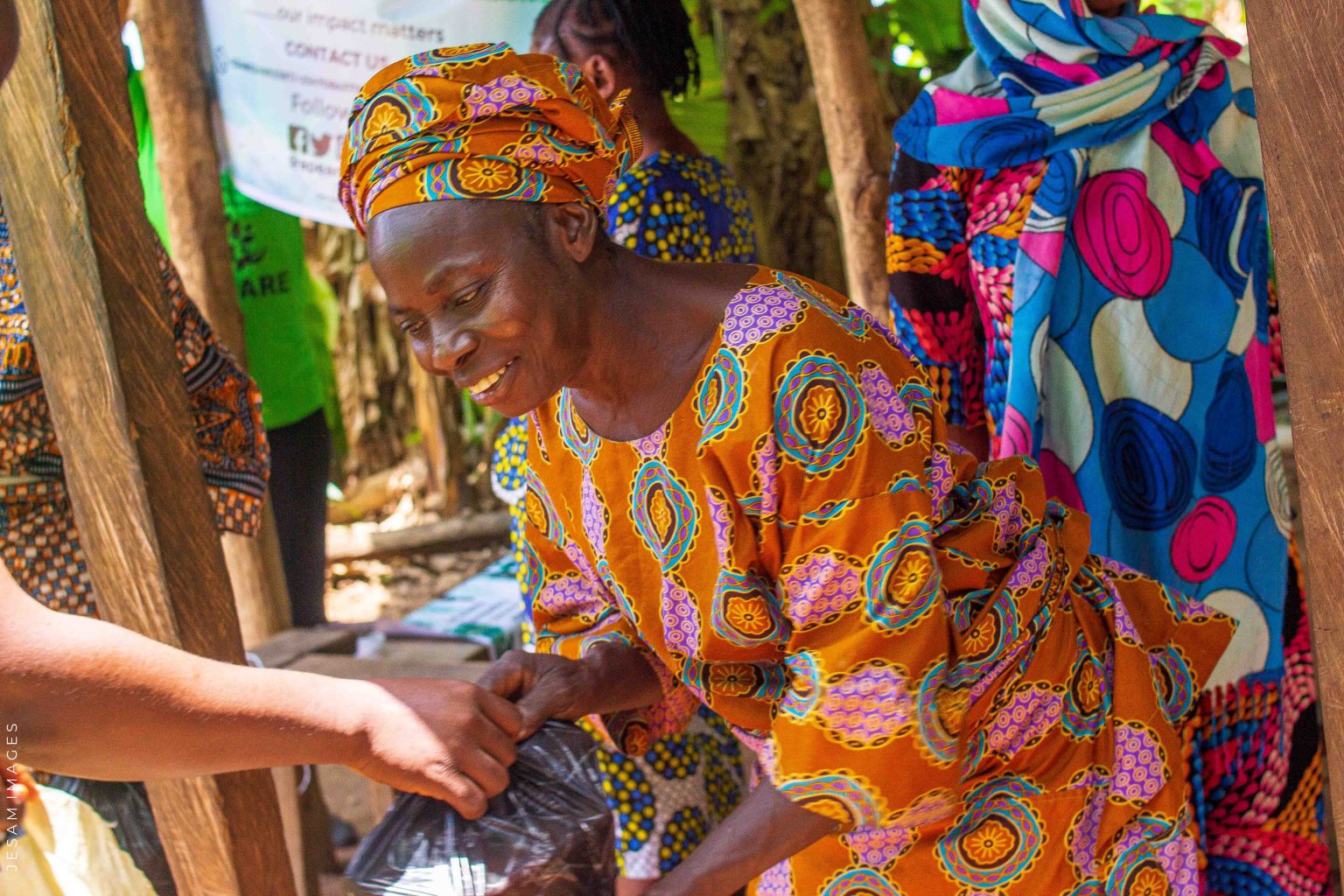
Women and youth are at the heart of the work done by the Alliance for Positive Environmental Impacts and Reforestation (APEARE). The organization involves them regularly because women, in Nigeria and around the world, play a central role in climate action and food security.
In many households, women are the primary caregivers and the ones responsible for putting food on the table. At the same time, they are often the first to feel the effects of climate change, whether through droughts, floods, or other extreme weather events that disrupt daily life and livelihoods.
Across Nigeria, women are already contributing to climate change mitigation in practical ways.
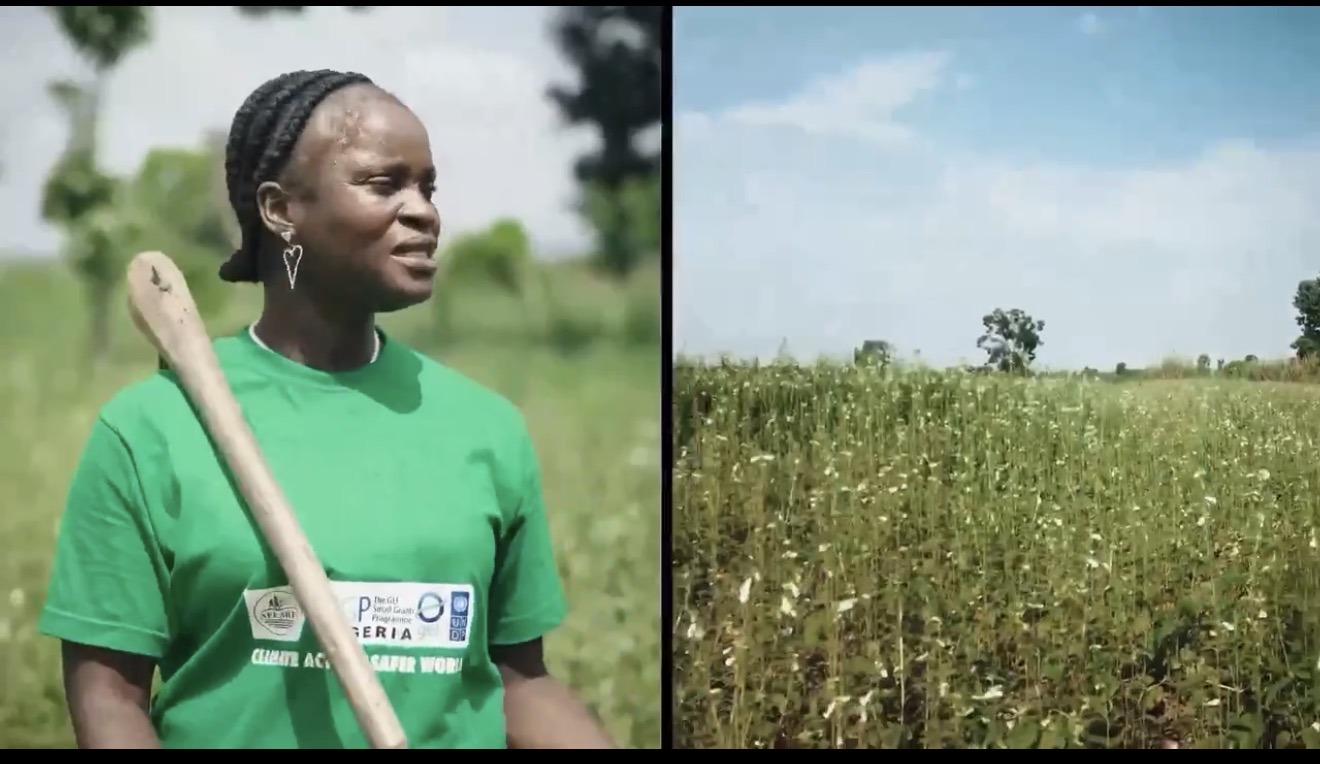
Many are adopting sustainable farming methods such as agroforestry and conservation agriculture, which help restore soil health and reduce emissions. Others are leading the push for renewable energy, especially in rural communities where electricity is limited. Initiatives like Solar Sister show how women entrepreneurs are helping households switch to solar power while building their own businesses.
Women also play a major role in food security. They are involved in every stage of food production, from planting and harvesting to processing and cooking. Many women help preserve traditional crops and protect local biodiversity, ensuring that families have access to nutritious and diverse foods.
Despite their contributions, women in Nigeria face significant barriers that limit their full participation. Limited access to land, credit, training, and other resources—along with cultural and social norms—often keeps them out of key decision‑making spaces.
Yet their role remains essential. Supporting and empowering women is one of the most effective ways to strengthen climate resilience and improve food security. When policies and programs promote gender equality, communities become more sustainable, more resilient, and better prepared for the challenges of climate change.