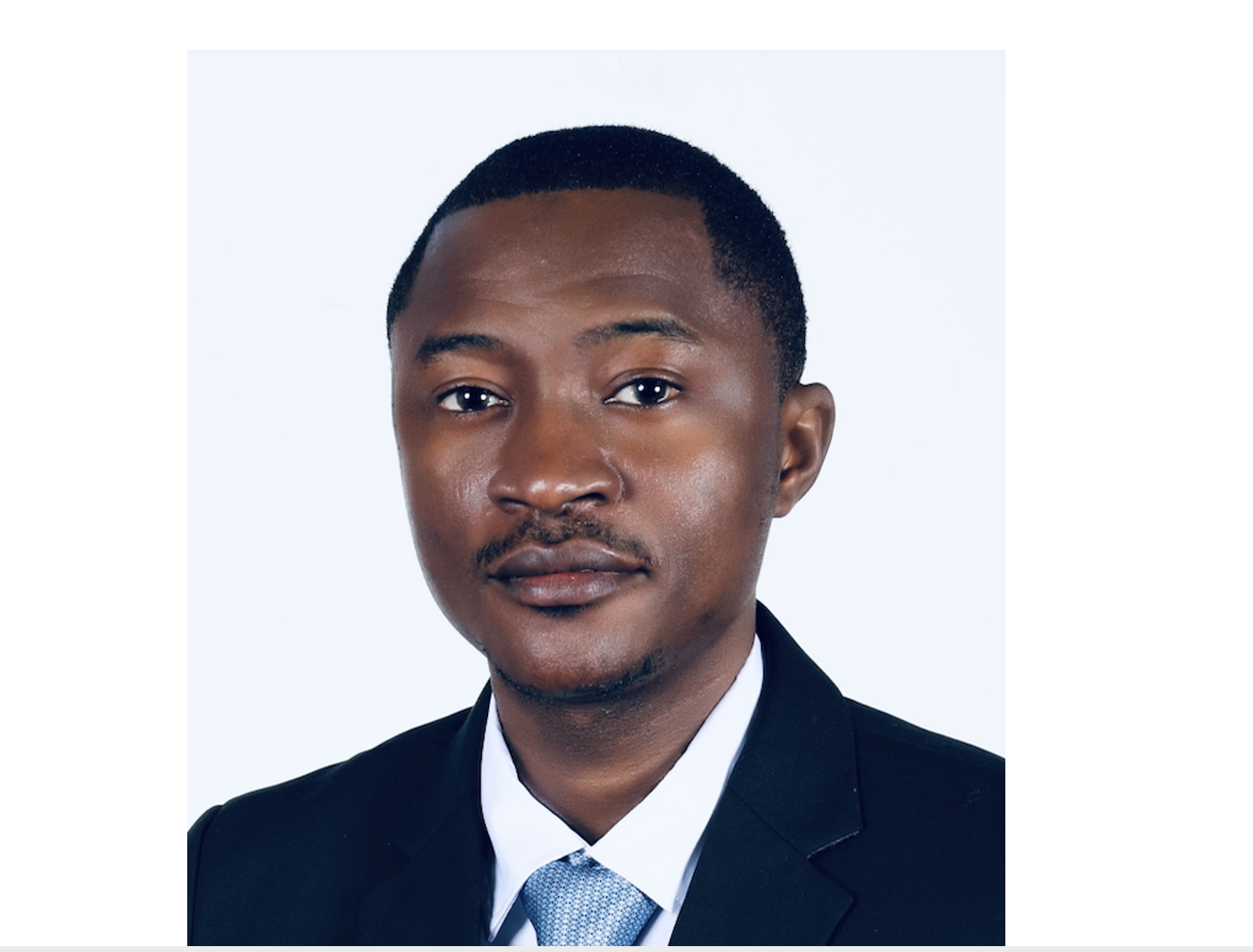
In 2010, an undergraduate lecture on environmental impact assessment changed my perspective on the climate crisis. Sitting in that class, I was struck by how Prof. Dele Olowokudejo, of the Department of Botany, University of Lagos, explained the disproportionate impact of the crisis. In simple terms, the climate crisis is unfair because the people who contribute least to it suffer the most.
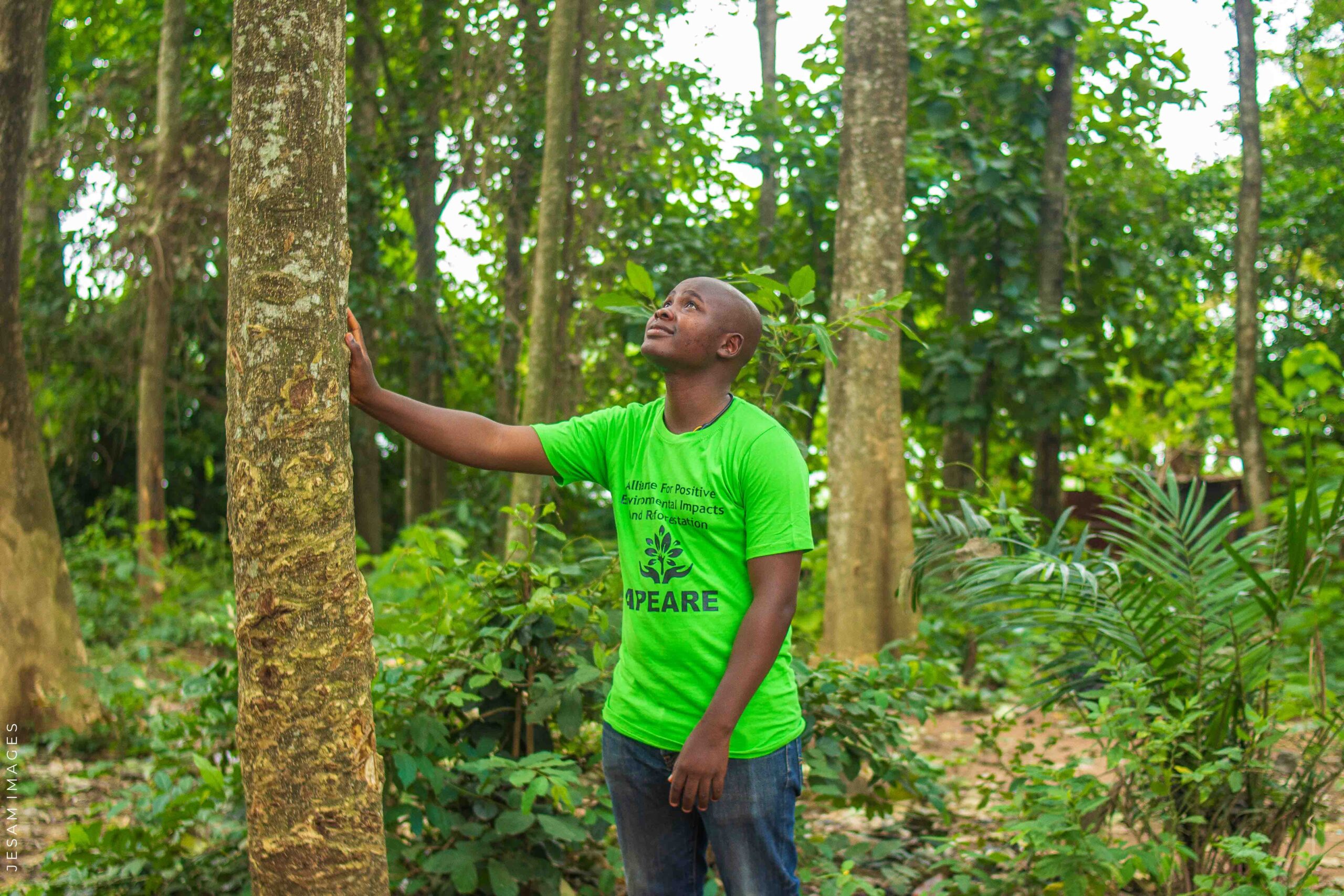
For weeks, one thought kept echoing in my mind: This is not right. Someone has to do something. That conviction pushed me into environmental advocacy. I began volunteering and working with organisations committed to improving our environment. My time with companies like Shodex Gardens and AM & SEA Limited gave me hands-on experience managing environmental projects, from tree-planting initiatives across Lagos State to the redevelopment of Agodi Gardens in Ibadan.
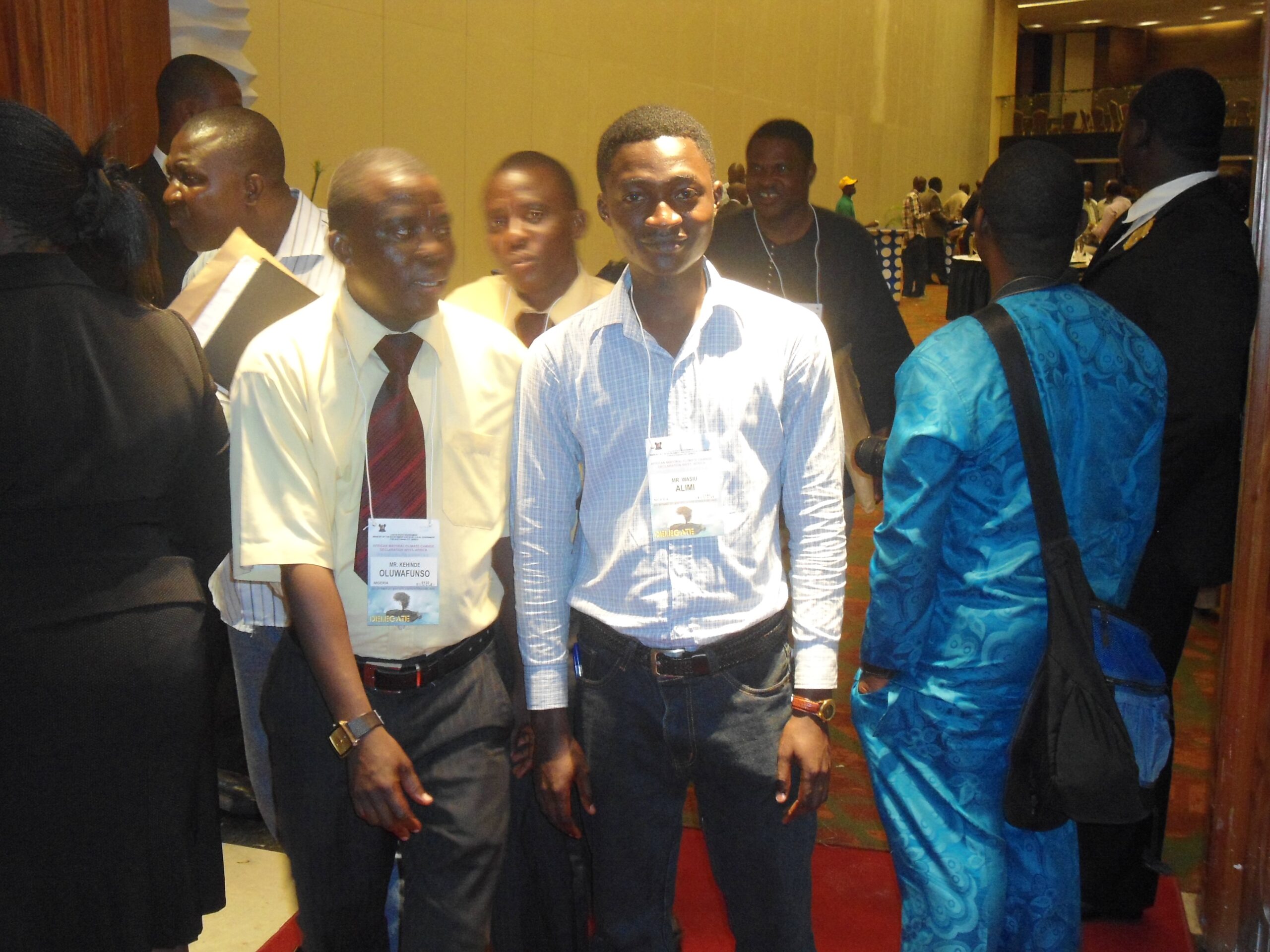
In 2013, I took that commitment further by applying for the My Community, Our Earth (MyCOE) Fellowship for West Africa. I completed the program and was selected as one of 14 global fellows invited to present our capstone projects at NASA and USAID headquarters in Washington, D.C., in April 2014.
Standing at USAID, presenting my research on women, climate change, and food security, I had a moment of clarity. Talking about the crisis wasn’t enough. Real change would require consistent, community-centered action. Right there, I made a promise: I will build something that protects both people and the planet.
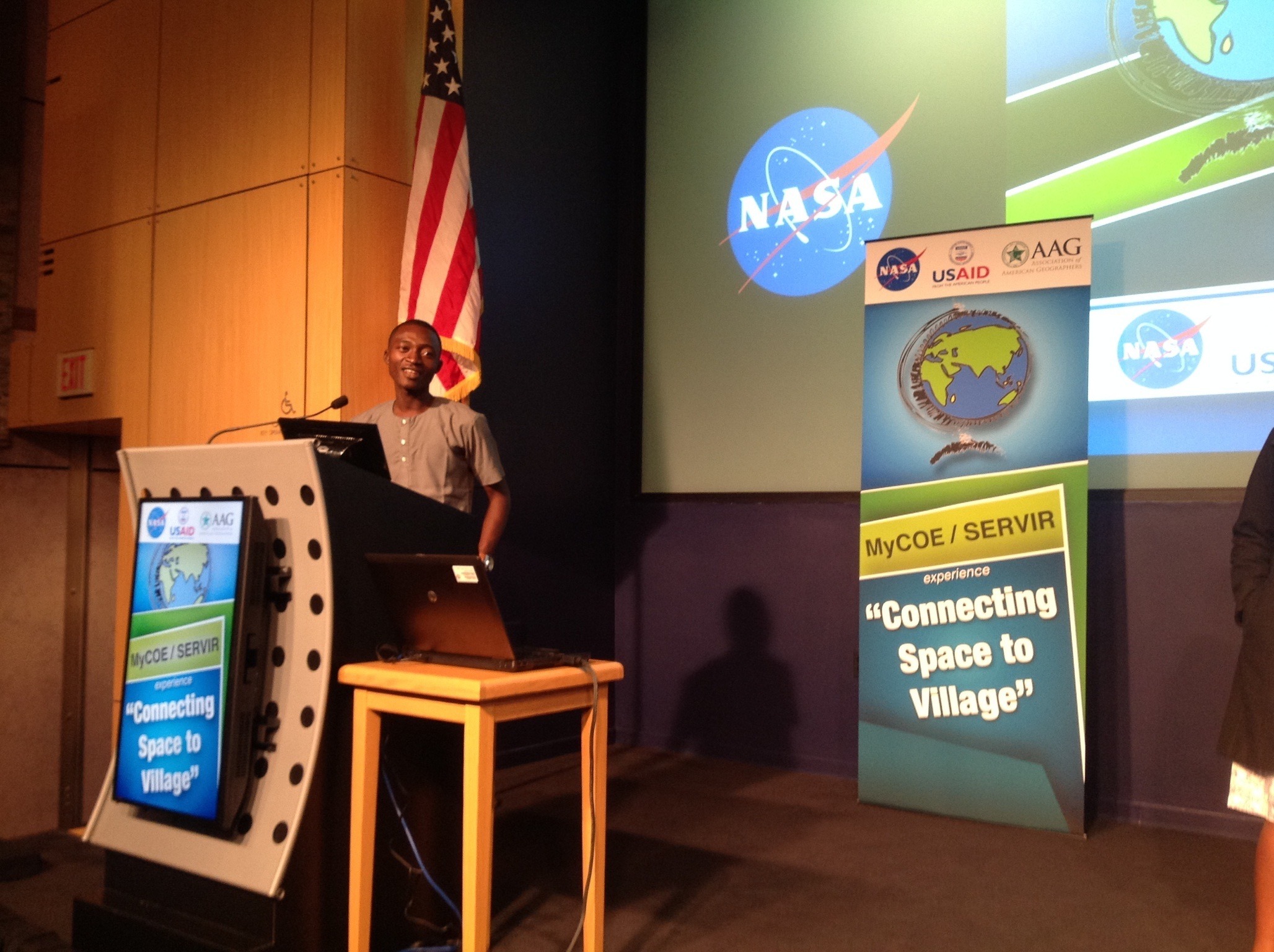
The journey wasn’t smooth. My first attempt to establish a nonprofit, One Gap Foundation, was not approved by regulators in 2017. But I didn’t stop advocating. In 2019, alongside friends, colleagues, and Mr. Debo Ajenifuja (who later became APEARE’s first Program Coordinator), we refined the vision, sharpened the mission, and created a new name: Alliance for Positive Environmental Impacts & Reforestation (APEARE). In 2022, APEARE was officially registered in Nigeria.
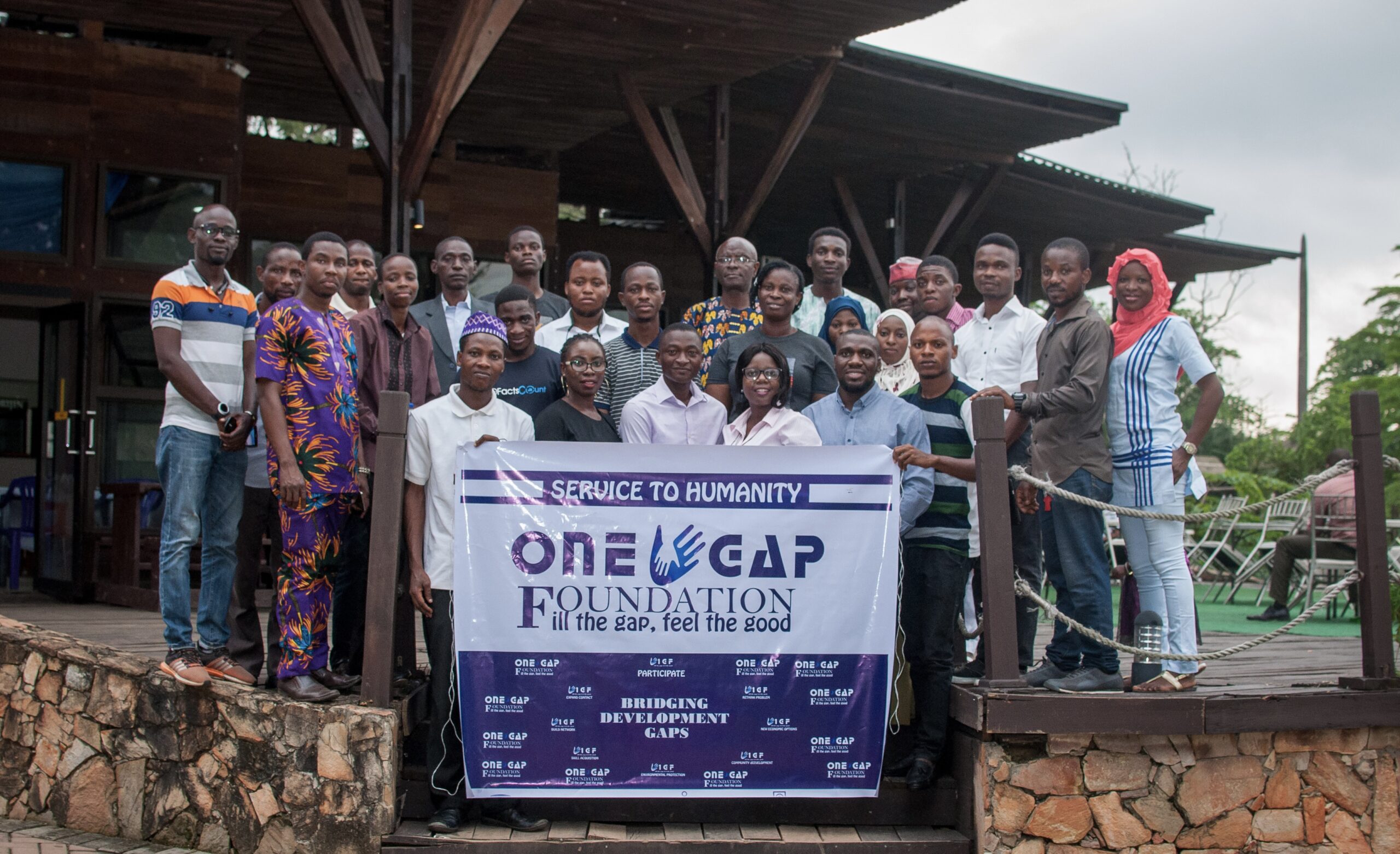
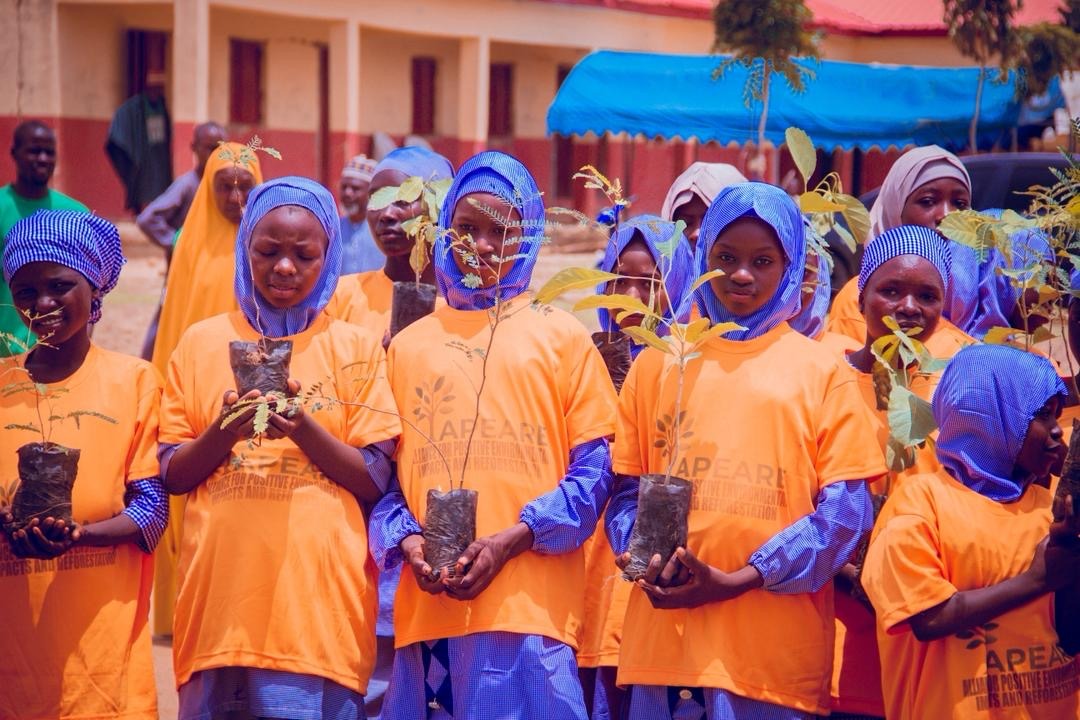
Today, APEARE exists to drive climate action for a more just world, one where vulnerable communities have a fair chance to withstand the climate crisis.
That is my motivation for bringing people together to build APEARE: climate justice. For us, that means implementing programs that strengthen the ability of the communities we serve to cope with climate impacts, and in doing so, reducing the uneven burden those impacts place on them.
To see how uneven that burden is, consider per capita emissions in Nigeria and the United States. The average Nigerian emits roughly 0.6 tons of CO2 per year (Global Carbon Project, 2024), yet communities across Nigeria face flooding that destroys homes, livelihoods, and infrastructure, with little capacity to recover quickly.
By contrast, the average American emits roughly 14 tons (Global Carbon Project, 2024), more than twenty times as much, yet benefits from stronger infrastructure and far more resources to bounce back. Even within a single wealthy city like New York, per capita emissions of around 6 tons (NYC Mayor’s Office of Climate and Environmental Justice, 2025) are still about ten times higher than Nigeria’s. Two very different carbon footprints, and the place contributing least suffers most.
The point I want to leave you with is that climate change is not just an environmental issue. It is a fairness issue. And until the scales are balanced, we will keep planting, keep educating, keep advocating, and keep building a future where no community is left behind.